


The Hidden Global System Behind Aviation: Leasing, Tax, and Legal Architecture
Have you got a question?
Commercial aviation is one of the most globalized industries in the world – yet the legal and financial structures behind it remain largely invisible to passengers and even to many professionals.
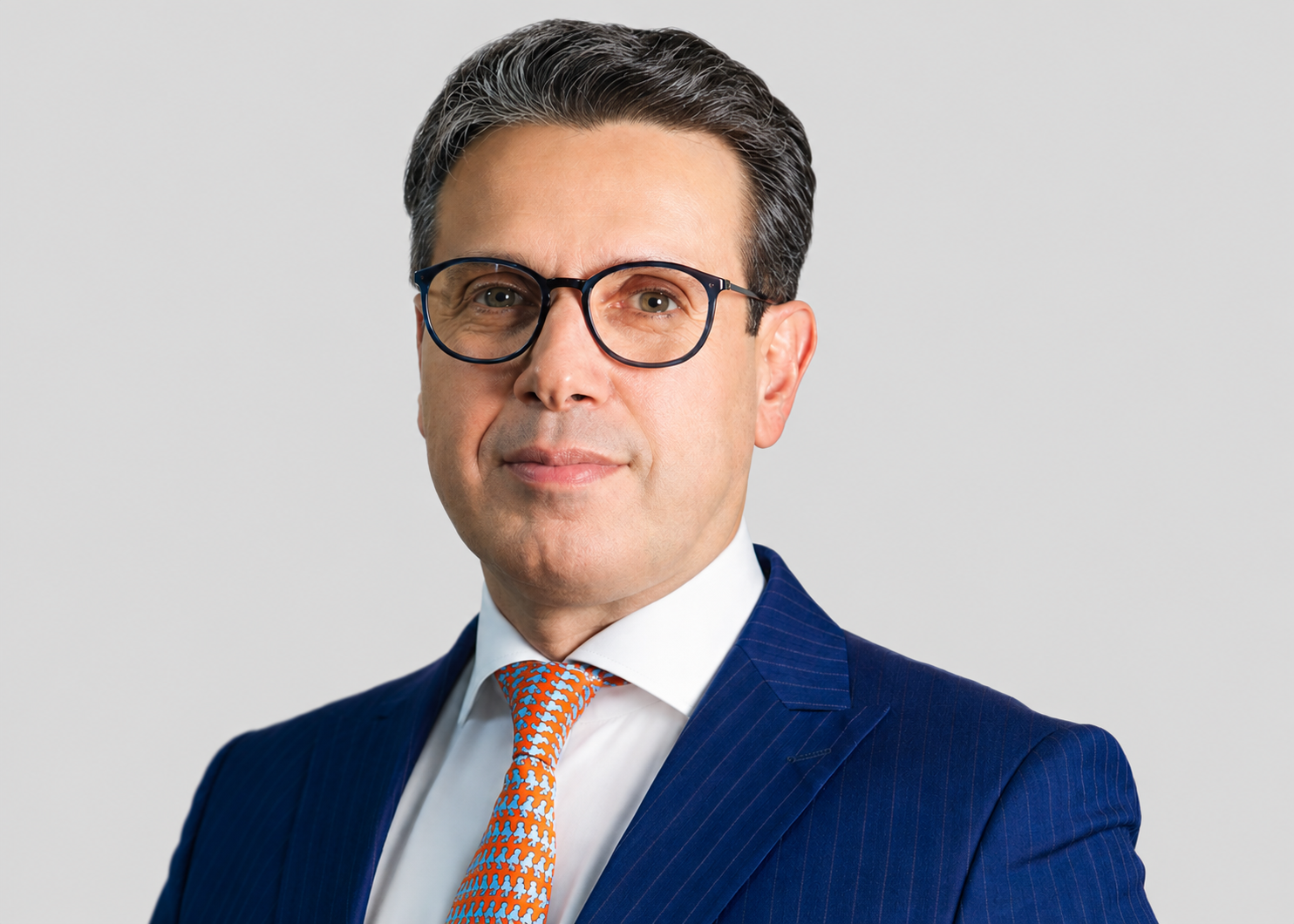
In this podcast episode, Kai Scholz, Partner at Oracle Law Global German office, explains why airlines rarely own their aircraft and how leasing has become the backbone of modern aviation. In conversation with Louisa Lange-Meindl, Head of Aviation, Germany at the firm, the discussion explores how aircraft leasing structures work in practice, how risk is allocated between airlines, lessors, and investors, and why legal architecture plays a decisive role in keeping aircraft mobile across borders.
The episode takes a closer look at operating leases, special purpose vehicles, trusts, and international enforcement mechanisms—without legal jargon, but with real-world context. It shows how these structures help airlines manage volatility, enable global financing, and ultimately make air travel more accessible and affordable.
A conversation at the intersection of aviation, finance, and law – for lawyers, industry professionals, and anyone curious about what really keeps the aviation industry in the air.
Book a call back
Share this article
Got a question?
Please complete this form to send an enquiry. Your message will be sent to one member of our team.
Related posts

Credit Hire Claims Explained: What Every Driver Needs to Know
Credit Hire: ‘I Thought I Was Given the Vehicle for Free’ After a road traffic accident, your world can be turned upside down.


Geopolitical Conflict, Energy Crisis, and Corporate Risk: Insights from Modern Portfolio Theory
ECONOMIC CONSEQUENCES OF GEOPOLITICAL CONFLICTS AND CORPORATE RISK: THE IRANIAN TRIGGERED ENERGY CRISIS THROUGOUT THE MODERN PORTFOLIO THEORY. Contemporary geopolitical tensions – from


Beyond Sanctions: Can Global Supply Chains Survive the New Era of Geopolitical Due Diligence?
Reflections on the Shift from Efficiency to Resilience in the Global Economy For decades, globalization was driven by a relatively simple logic: produce


EU261 Proposals: a small drafting change that could reshape airline claims handling.
Much has already been written about the European Council’s proposed reforms to EU261. Unsurprisingly, the updates have centred on compensation thresholds, delay times,
